
Security shutters and grilles are popular for improving safety, protecting premises and deterring crime. But installing external roller shutters or security grilles can affect the appearance of a building or area, especially in sensitive zones. If done without appropriate permissions, it can lead to enforcement actions. This article explains:Vision Commercial Shutters
Here are the main regulatory pieces and standards which affect roller shutters and grilles in the UK:
This is the overarching legislation governing planning permission and development control in England (with variations in Scotland, Wales, Northern Ireland). Local Planning Authorities (LPAs) use it to assess whether a change (like installing an external shutter) is permitted.
Some minor exterior works can be done without planning permission under permitted development rights. But these rights are limited, and quite often shutters or grilles will not fall under permitted development, especially in conservation areas, listed buildings, or when the appearance is materially changed.
If your building is listed, or is in a conservation area, there are extra restrictions. Alterations that affect external appearance usually require listed building consent, regardless of whether you’re inside or outside. Even internal shutters can require consent in some cases if they are visible externally or alter character.
Even where planning permission is granted (or not needed), the installed product must comply with relevant safety standards, particularly around emergency escape routes, fire resistance (if required), electrical safety, etc. Security grilles/windows must allow escape, must be operable from the inside without special tools if needed.
Many policies or SPD (Supplementary Planning Documents) set out design guidelines for shopfronts, shutters, etc. These define acceptable designs (vision vs solid shutters), colour, materials, box size (the housing for the shutter when retracted), whether perforated/transparent shutter options are preferable, etc.
For example, workplace regulations, electrical safety, etc. Maintenance obligations are present for automated or electrically operated shutter systems.
There are situations where you may not need planning permission (or need less formal consent). These include:
However, even if planning permission isn’t required, other consents or safety/regulation compliance may still apply.
When your council is assessing applications, these are often the criteria considered:
| Factor | Why It Matters |
|---|---|
| Appearance, visual impact & street scene | Councils want to maintain the attractiveness of an area (especially for high streets or conservation zones). Solid shutters (especially ones that present a “dead frontage”) are often looked upon less favourably. Transparent or grille/vision shutters are more acceptable. |
| Colour, materials, box/housing design | A bulky, badly-coloured box or guides can detract; designs that are discreet or integrated tend to get through easier. |
| Heritage status / listed building / conservation areas | Extra scrutiny; design must preserve character. Some authorities require heritage statements. |
| Security vs safety / emergency escape | If a shutter or grill obstructs an escape route, or is not operable from inside, or fails fire safety standards, that may cause refusal. |
| Neighbourhood & local authority policy | Local SPD and policies may already have rules/guidance. Also, differing policies in different districts. What passes in one council may not in another. |
Here’s how you (as a property owner or business) can go through the process of getting permission for shutters or grilles:
Identify Local Authority & Check Planning Status
Find which council is responsible (usually your local district/unitary council). Check whether your building is listed, or in a conservation area or other designated area. Look up your local planning policy/SPD for shopfronts/security.
Pre-Application Advice (Optional but Helpful)
Many councils offer pre-application or informal advice. You can contact them with sketch proposals to see whether the concept is likely to be acceptable. This helps you avoid wasted time or cost.
For example, the Bradford Shopkeepers Guide to Securing their Premises SPD requires planning permission for all types of external security shutters on shopfronts, including replacement, and sets out design/layout guidance.
Typical council guidance may prefer internal security grilles, vision shutters, colours that are sympathetic, minimal visible hardware/boxes.
While external solid shutters often face resistance from planning authorities, internal security solutions are usually far more acceptable. These options protect your property without significantly altering the street appearance:
Why councils prefer them:
Because these shutters are fitted inside the glazing, they are not considered to materially alter the building’s external appearance. They also maintain an open, welcoming look to the street scene—something councils specifically highlight in their shopfront design policies.
Installing roller shutters or security grilles can be a big improvement for security, but you’ll usually need to think carefully about planning permission, especially for external installations, particularly if your property is listed, in a conservation area, or visually sensitive. It’s rarely impossible, but doing your homework—designing sensitively, following local design guidance, involving the council early—makes a big difference.
Not always. Internal shutters and grilles usually don’t need permission because they don’t alter the external appearance. However, external shutters, especially on shopfronts or in conservation areas, almost always require planning permission.
Councils tend to favour shutters that maintain visibility and don’t create a “dead frontage.” This includes internal options such as tube and link roller shutters, roller grille shutters
and punched aluminium roller shutters
Yes. If your property is listed, you’ll need listed building consent for any alterations affecting its character, even internal shutters. Always check with your Local Planning Authority before proceeding.
You risk enforcement action, which could mean having to remove the shutters at your own cost, as well as potential fines. It may also affect your insurance or property value.
Most councils aim to decide applications within 8 weeks for straightforward cases. Complex or heritage sites may take longer. Using pre-application advice and submitting full documentation can help avoid delays.
If the new shutters are identical in appearance and type, permission may not be needed. But if they change the look (e.g., switching from vision shutters to solid shutters), planning permission is likely required.
Not sure which product suits you needs? We can help you build a quote online within 5 minutes
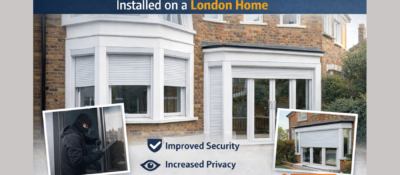
Discover how domestic roller shutters improved security, privacy and energy efficiency for a London ...
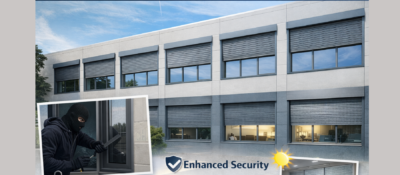
Discover how window roller shutters improved security, reduced glare and enhanced energy efficiency ...
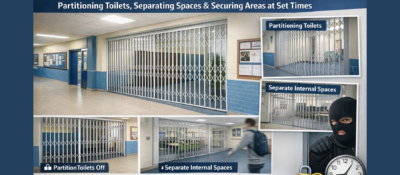
Discover how retractable security grilles helped a school partition toilet areas, separate internal ...